Table Of Content
- Burberry Logo Design: History & Evolution
- Meet Rose Schlossberg: Jackie Kennedy's Granddaughter and Modern…
- ‘Outdoorsy elegance’: Burberry offers a collection fit for the British weather
- Burberry's Spring 2024 Campaign Embraces Natural British Beauty
- Burberry Fetes British Art at the 60th Venice Biennale
- The Thomas Burberry Monogram
The announcement went out while he was in a desert in Algeria, with his phone switched off. Designers from humble backgrounds are nothing new – Alexander McQueen, Vivienne Westwood, Bailey himself - but Tisci has a genuine rags to riches story. Born in 1974, he grew up the youngest child – and only boy – of nine children. His father died when Tisci was four and the siblings had to work to keep the family afloat. He has spoken before about one meal a day being the norm, how he was helping his uncle with plastering from the age of 11. It’s all a long way from rooftops with a view of the Houses of Parliament.
Burberry Logo Design: History & Evolution
The Burberry logo design serves as a masterclass in branding and design. Its journey offers valuable lessons in consistency, innovation, responsiveness, symbolism, and simplicity. For designers, marketers, and brand enthusiasts, the logo's evolution provides a window into how to craft a visual identity that is not just aesthetically pleasing but also strategically sound and emotionally resonant. It's more than a fashion statement; it's a blueprint for success in the complex world of branding, one that continues to inspire and guide in the ever-changing landscape of design. While Burberry's logos have seen dramatic changes, the brand has always maintained a connection to its roots. Whether it's the knight's subtle presence on tags and packaging or the nostalgic fonts, the Burberry logo design has artfully woven the brand's history into its modern identity.
Meet Rose Schlossberg: Jackie Kennedy's Granddaughter and Modern…
Let's take a closer look at five key aspects that highlight the evolution of the Burberry logo design, a journey marked by innovation, elegance, and a keen understanding of the brand's identity. The Burberry logo design from 1999 to 2018 reflects a brand that knows its roots but is unafraid to evolve. It continues to be a source of inspiration for designers and brand enthusiasts alike, highlighting the enduring power of intelligent and intuitive design in the ever-changing world of fashion. This era of the Burberry logo design stood as a symbol of the brand's relentless pursuit of excellence, mirroring its growing influence and prestige in the global fashion industry.
‘Outdoorsy elegance’: Burberry offers a collection fit for the British weather
It was quite clear when I heard that Riccardo Tisci was going there that the company recognised the need to further its credentials within global fashion. It made sense when there was a phone call saying Riccardo wants to change the logo – of course he does. Obviously, it was interesting to do because it is such a part of British contemporary culture.
This teaches us the importance of coherence and alignment in branding. A logo can change, but it must always echo the core values and personality of the brand. Above all, the Burberry logo design is a reflection of the brand's core values. Excellence, innovation, quality, and a balance between tradition and trend-setting are all encapsulated in the logo's design.
Daniel Lee on His Burberry Reboot: “People Want to Look Hot” - W Magazine
Daniel Lee on His Burberry Reboot: “People Want to Look Hot”.
Posted: Fri, 19 Jan 2024 08:00:00 GMT [source]
Introduced in 1901, the very first logo for the fashion label was both bold and symbolic, setting the tone for the brand's luxurious image. Tisci was brought back to fashion by the man who brought him into it in the first place – Marco Gobbetti, now CEO of Burberry (with an annual salary of £7.3m, as was recently revealed), but then at Givenchy. “Marco is the person who saved my career and gave me the opportunity to be who I am today,” Tisci says, with that frisson of drama. “When you behave well at school, in France you get the Chanel bag,” he says. Adele told me the first thing she bought when her first single came out was a Burberry trench.” Tisci’s first collection for Burberry featured 20 trenches.
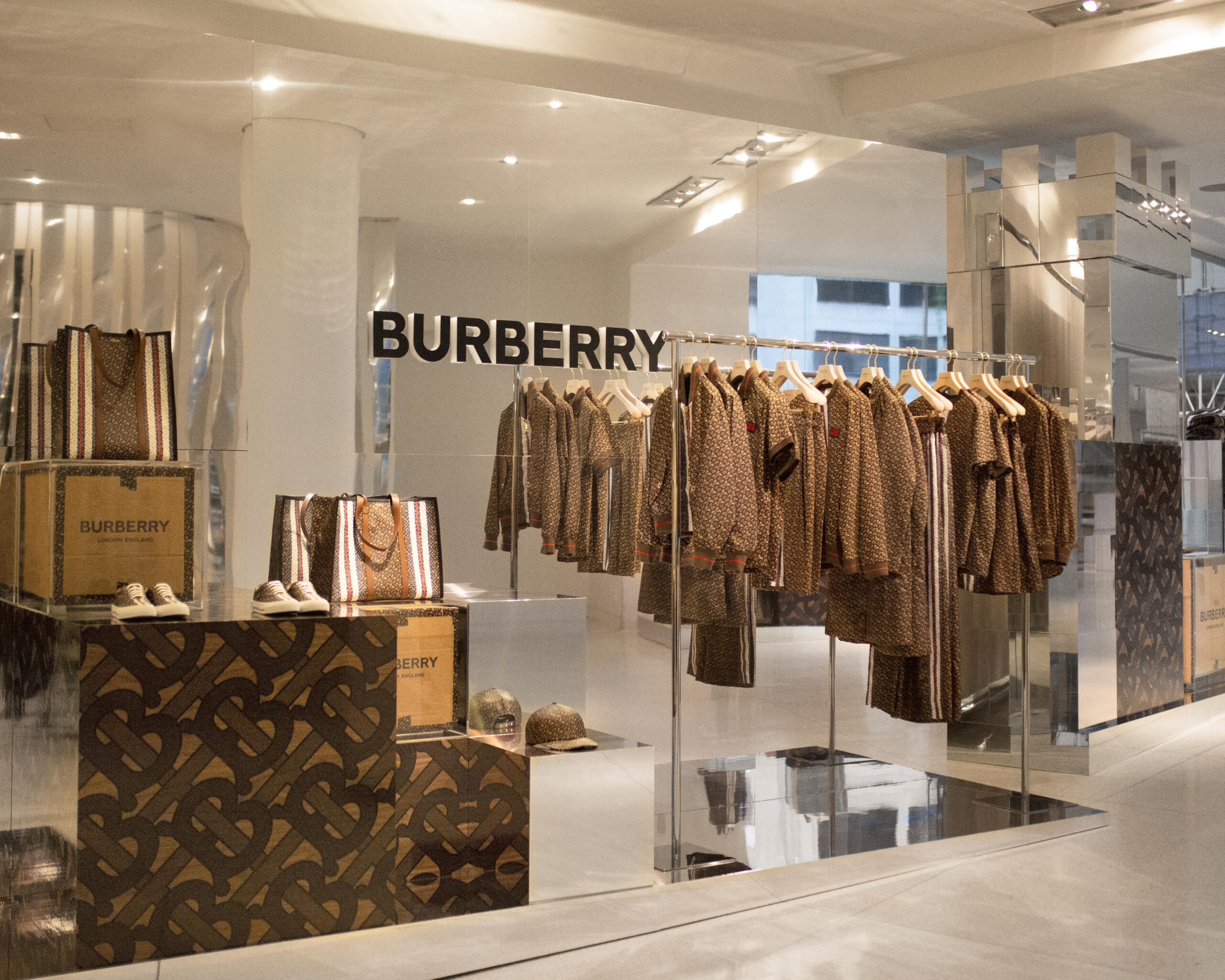
Led by Daniel Lee, the London heritage house has just dropped off its latest batch of warm-weather wares, including, yes, summertime trenches. The Burberry bag collection features a range of mini bags, pouches and totes in leather, canvas and suede. Choose from new-season and classic bags with British motifs and archive-inspired design details.New arrivals for women and men include the Chess satchel and Knight bag or opt for top handle styles like the Frances. Available in a number of colours, from classic check and black to our newest additions, including knight, cocoa, mimosa and vine.
Fewer shoppers in Burberry stores complicates design overhaul - Reuters.com
Fewer shoppers in Burberry stores complicates design overhaul.
Posted: Sun, 19 Nov 2023 08:00:00 GMT [source]
With shots and playful serifs on the end of slightly flared bold bars, this typeface has a charisma all its own. The 1999 Burberry logo design was more than a simple aesthetic update; it was a harmonization, a carefully considered reimagination that encapsulated the best of what Burberry had become. It looked professional and classy, representing the brand's expertise in fashion and design, along with a huge reservoir of experience. Tisci has said before that he took the Givenchy job so he could buy his mother a house. His break with the brand was also prompted by family – at the funeral of his brother-in-law in 2016, he realised his mother was getting older, his nieces and nephews were growing up. “I wanted to be the son of my mother, the brother of my sister, that I have never been really because life never gave me the opportunity,” he says.
Part of the process is to say, “OK, what is it conceptually, spiritually, abstractly that is important or special about this company? ” Maybe it manifested itself originally as streetwear, but that was merely the initial form. It's that spirit that can then transcend its origins and live on in other dimensions. The interesting and debatable issue that spins off from this is the current culture of brand obsession. Some of the appeal is obvious, like status and security — which is endorsed by the signifier — but people also seem to be enjoying the aesthetics of typography.
Then there's the formal establishment approach – we might call it the Buckingham Palace look – or the utilitarian establishment look such as the Home Office or maybe the National Trust. You need to know what the scenario is and you need to have an opinion. I've had an opinion about Burberry since 1988 when I came across some export stock in a sale in London one day. It was really obvious that somebody needed to bring the raincoat into the fashion spectrum. It was an opportunity waiting to happen, and Burberry was the obvious label to do it. So when it did get around to it, it had the world market at its disposal, which created an enormous windfall of income into the company.
I referenced John Sutcliffe, who was a fetish couturier in the ‘60s in London, making leather and rubber wear. It's just on a knife edge between the Badminton Horse Trials and fetish. Subtle yet significant adjustments were made to the tagline as well. The "Of" part was gracefully removed, leaving only the word "London" in capital letters.


No comments:
Post a Comment